

Hokkaido University
Electronic Properties of Solids
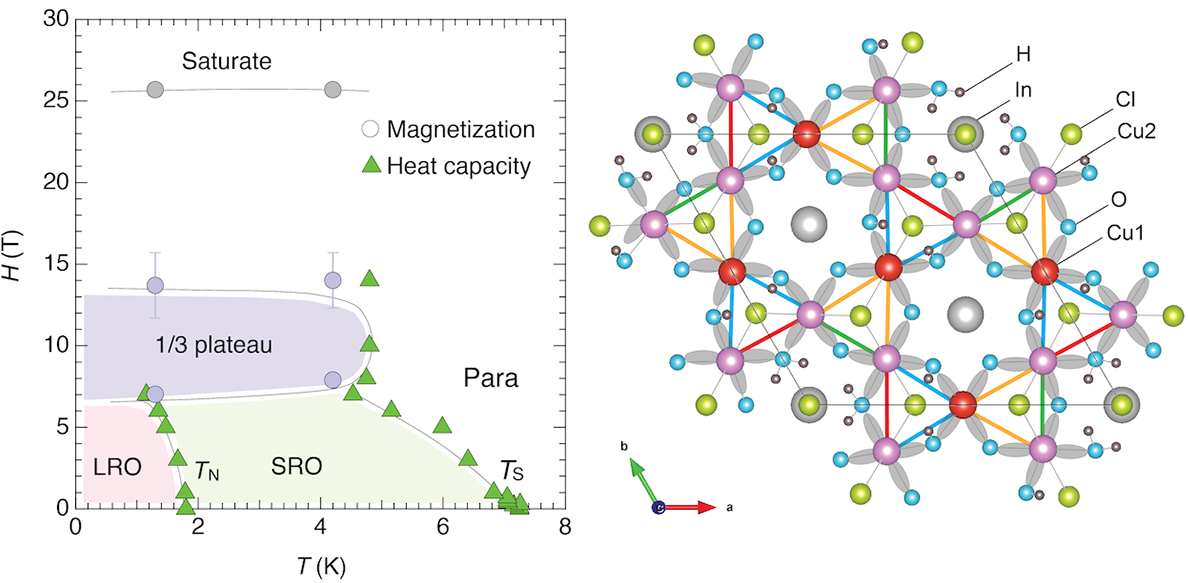
The Electronic State of Solids Laboratory aims to create novel crystals exhibiting interesting physical phenomena (Physics + Crystal = Physicrystal).
The discovery and elucidation of new phenomena and novel quantum phases, such as superconductivity, have greatly advanced condensed matter physics. The development of new materials has played a major role in this process. For example, the discovery of high-Tc cuprate superconductors and Kitaev spin liquid candidates are known as important results in condensed matter physics. We hope to contribute to the progress of condensed matter physics through the development of new quantum materials and the experimental establishment of various quantum phenomena predicted by theories.
- YOSHIDA K. Hiroyuki
- KON Fusako
J-Material: Physics of Strongly Correlated Systems
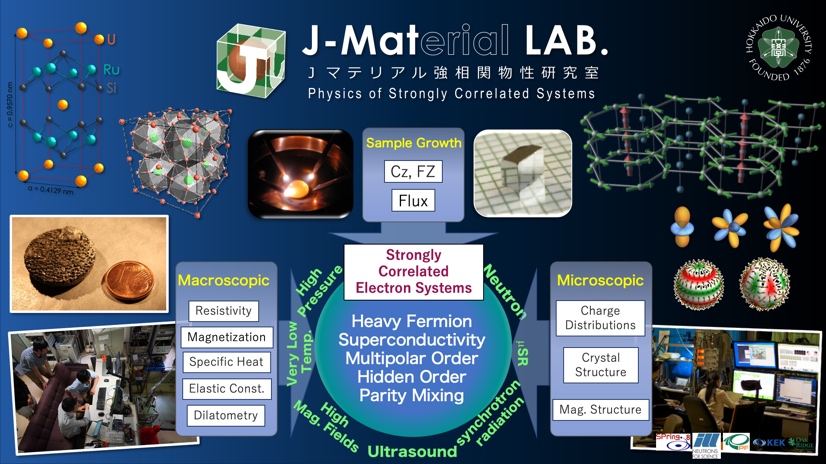
Develop new functional material arising from spin-orbit interaction of electrons in solids and the intrinsic breaking of parity symmetry in crystal structures, as well as create new materials possessing these properties (J-Materials). Conduct experiments on thermal, magnetic, transport, and ultrasonic measurements under extreme conditions such as very-low temperatures, high-magnetic fields, and high pressures, alongside microscopic studies using neutron scattering, muon spin relaxation, and resonant X-ray diffraction. Investigate phenomena emerging in J-Materials, such as superconductivity, magnetic correlations, electron-phonon interactions, and magneto-electric coupling. Furthermore, focus on the order parameters and fluctuations governing classical and quantum cooperative phenomena in solids, using X-ray diffraction and laser spectroscopy to unveil the mechanisms from both structural and dynamic perspectives. Additionally, elucidate novel phenomena arising from the interplay of optically excited states involving electronic excitation and cooperative interactions from a fundamental physics viewpoint.
- AMITSUKA Hiroshi
- YANAGISAWA Tatsuya
- TAKESADA Masaki
- HIDAKA Hiroyuki
Electronic Properties of Low-demensional Material
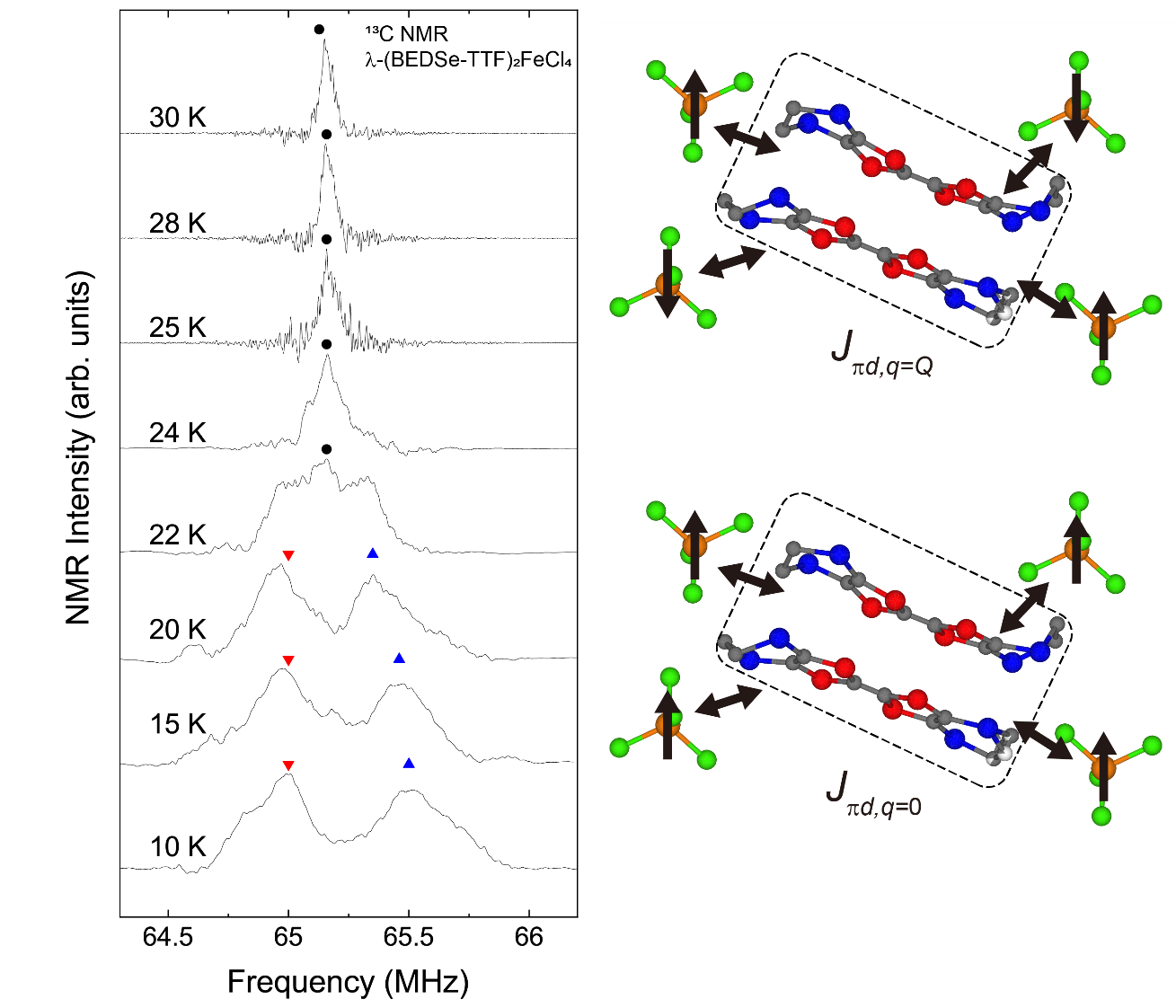
- The main research subject in our group is experimental studies of molecular organic conductors. Molecular organic conductors are characterized by the diversity and flexibility of their molecular structures and molecular arrangements. The dimensionality of electronic systems, lattice geometries, electronic correlations, and electron-lattice interactions can be controlled by molecular modification or by changing the combination of molecules in a crystal. This is a powerful method to study physical properties and to search for new physical phenomena. In addition, molecular organic conductors are sensitive to external fields because of lattice flexibility, allowing for the control of physical properties by moderate magnetic fields and pressures, and for exploring field-induced phenomena.
We investigate quantum phenomena at low temperatures, such as superconductivity, magnetic ordering, and charge ordering, and explore new physical phenomena by using nuclear magnetic resonance (NMR) spectroscopy and thermal measurements. We are also engaged in molecule and crystal synthesis for the control of electronic states and in equipment development for the research of physical properties under extreme conditions such as low temperatures, high pressures, and high magnetic fields with tiny single crystals.
- Frontier of Low-Dimensional Electron Systems
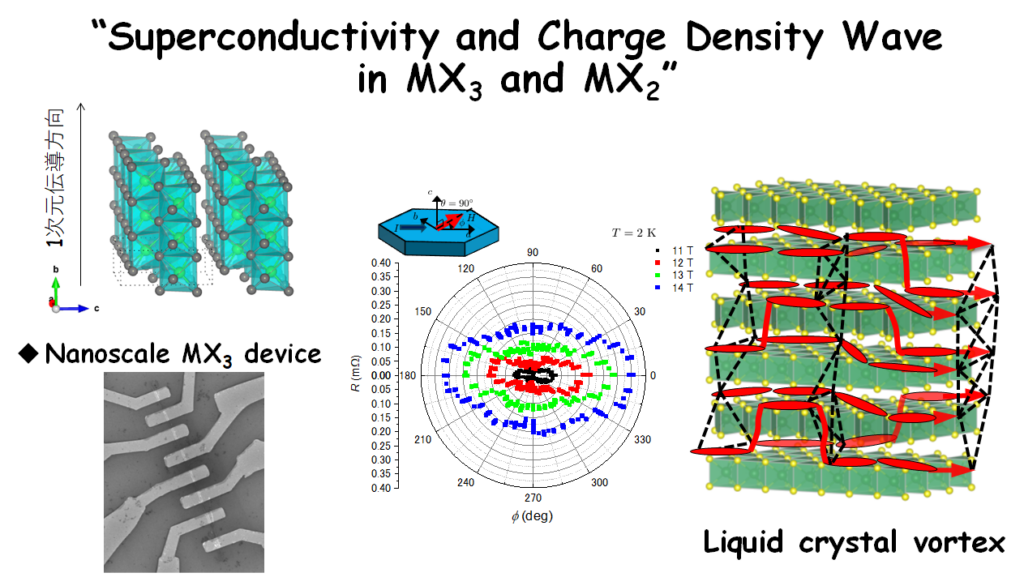
We investigate quantum properties in low-dimensional conductors such as superconductivity, charge and spin density waves and topological phenomena. We also study mesoscopic physics using microfabrication, electronic properties by transport phenomena at low temperatures, high magnetic fields and high pressures, cryogenic scanning tunneling microscopy (STM) and magnetic properties using a SQUID magnetometer and NMR techniques
- KAWAMOTO Atsushi
- MATSUNAGA Noriaki
- FUKUOKA Shuhei
- NOBUKANE Hiroyoshi
- IHARA Yoshihiko
Condensed Matter Dynamics
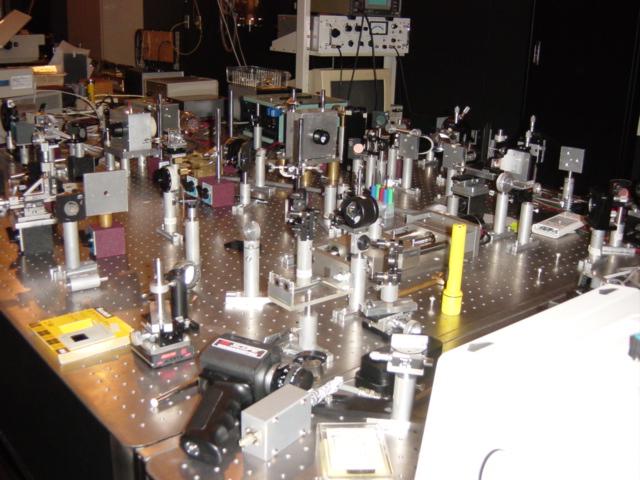
We investigate the properties of materials using laser light as a probe. Recently, we are particularly interested in semiconductor nanoparticles of a few nanometer size. Semiconductor nanoparticles are the subject of the 2023 Nobel Prize in Chemistry and can produce large quantum mechanical effects by confining electrons in extremely small semiconductors. These quantum effects are expected to lead to applications such as quantum computing and quantum communication.
We are currently studying the energy dynamics inside nanoparticles and the fine energy structure of excited states by measuring the time-resolved luminescence, and we also deliberately create electron-rich states inside the nanoparticle to study the interactions between electrons in strongly confined situation.
- YAMAMOTO Sekika
Statistical Physics
Hayami Group

We theoretically explore novel physical phenomena in strongly correlated electron systems using quantum mechanics and statistical physics. Our research covers various topics, including the classification of electronic properties via microscopic multipoles, cross-correlated effects involving electric, magnetic, and optical properties, and toroidal order-induced phenomena. We also study emergent spin-orbit interactions in magnets without relativistic coupling, novel topological magnetic phases, and photo-induced quantum states. Additionally, we search for functional materials for antiferromagnetic spintronics, investigate geometrically frustrated magnetic states, and analyze unconventional electronic orderings and phenomena observed in real materials.
- HAYAMI Satoru
- OIWA Rikuto
Okuda Group
We know that a number of tiny elements can show most complex phenomena imaginable from their simplicity. Atoms and molecules can do this but also biological cells, small bees and human beings in their crowds may perform something incredible. We study such relation between microscopic elements and macroscopic phenomena in language of statistical physics.
Join us and make a scenario, for example, connecting a theory of phase transition with a behavior of crowd sardines fighting against a gigantic whale.
- OKUDA Koji
Mathematical Physics
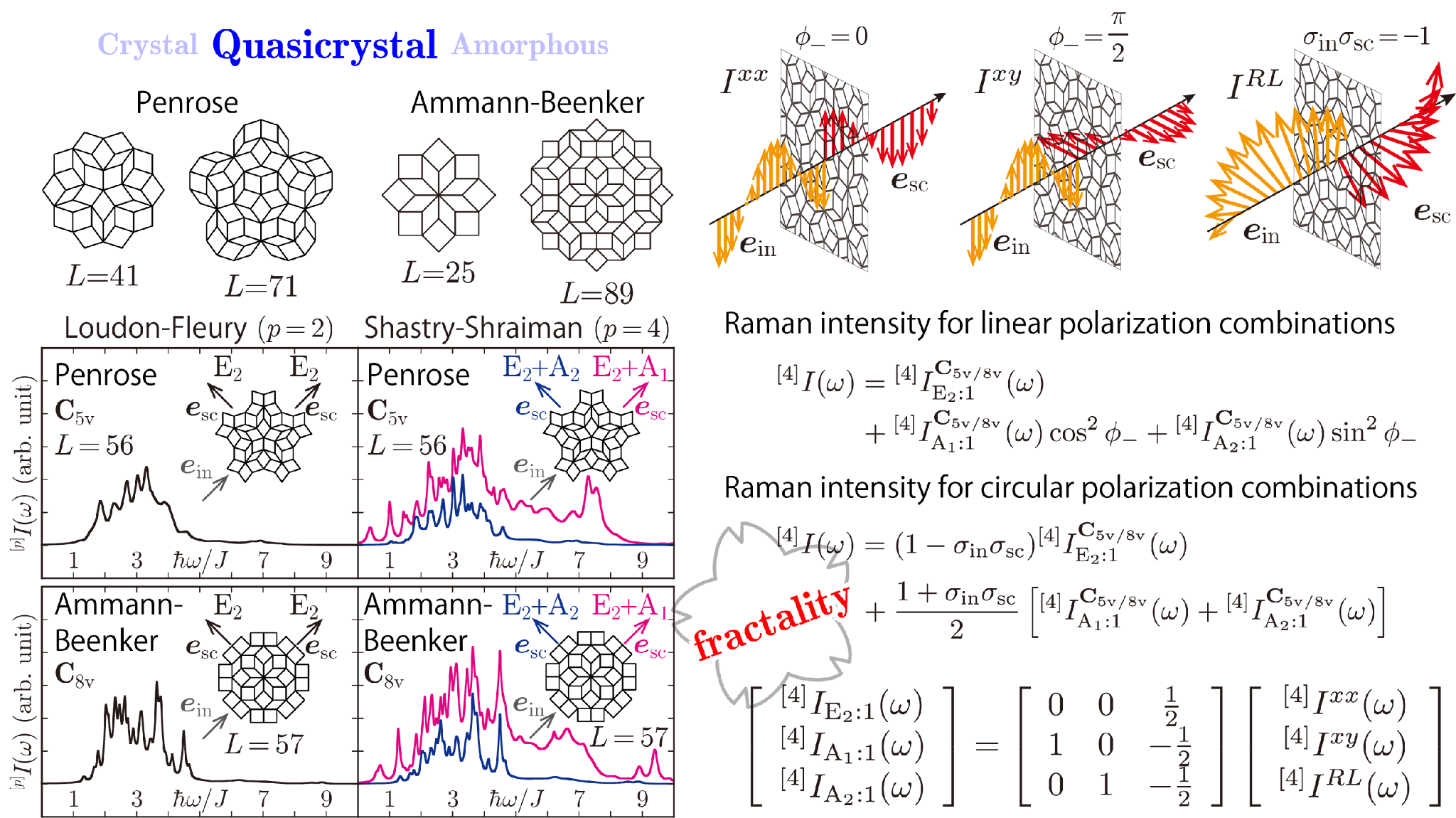
Making full use of various―both analytical and numerical―quantum statistical methods, we explore novel quantum cooperative phenomena in strongly correlated electron systems. A recent keyword is “topology”. Interpretation of phenomena must be our ultimate goal, but we often take further interest in the mathematical and methodological ways we can accomplish this. We construct microscopic theories on a variety of physics such as quantum spin liquid, photoinduced magnetism, nuclear magnetic resonance, inelastic neutron scattering, Raman scattering, optical conductivity, and angle-resolved photoemission spectroscopy. We sometimes enjoy theoretical formulation in itself and sometimes interpret observations in cooperation with experimentalists and chemist.
- YAMAMOTO Shoji
- OHARA Jun
- INOUE Takashi
Nanostructure Physics (RIES)
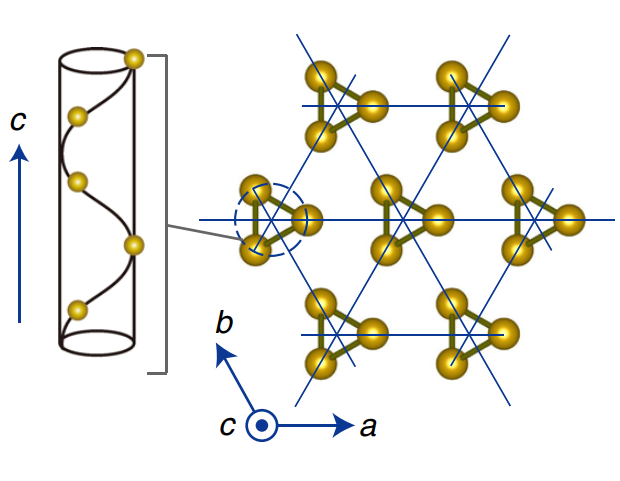

The electronic properties of materials are strongly influenced by their symmetry, especially the absence of inversion symmetry. Breaking this symmetry can lift band degeneracy, leading to unique phenomena such as differing spin distributions at the Fermi surface. A notable example is the chiral crystal structure of elemental Te, where right- and left-handed chains produce contrasting current responses.
Additionally, materials can exist in multiple polymorphs despite having the same chemical formula, with high-pressure synthesis stabilizing metastable states. Chalcogenides, like InTe and TaSe₂, showcase diverse crystal structures and electronic behaviors, and extreme conditions further expand the phase space in doped SnTe.
- KOBAYASHI Kaya
National Institute for Materials Science (Joint Graduate Program)
Condensed Matter Theory
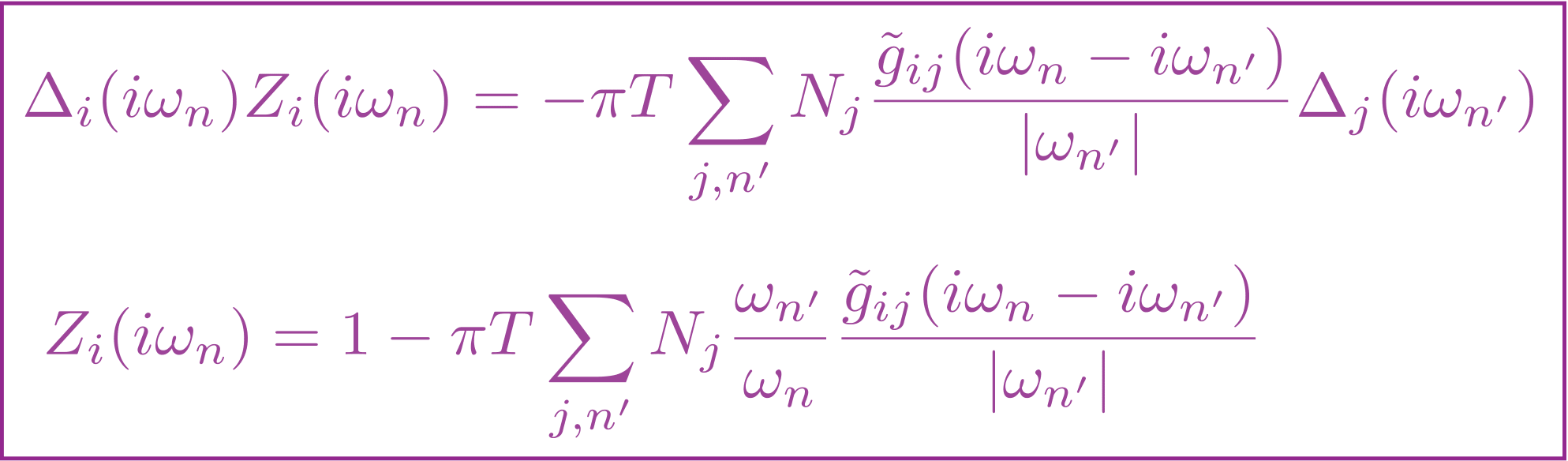
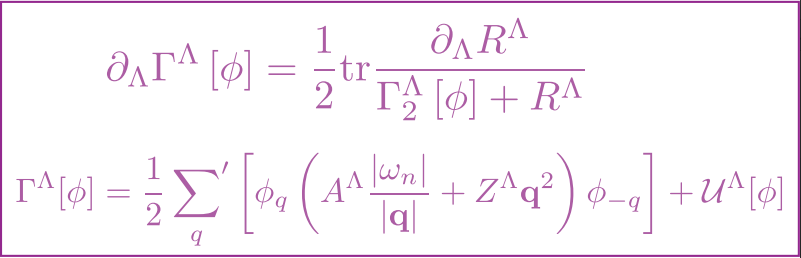
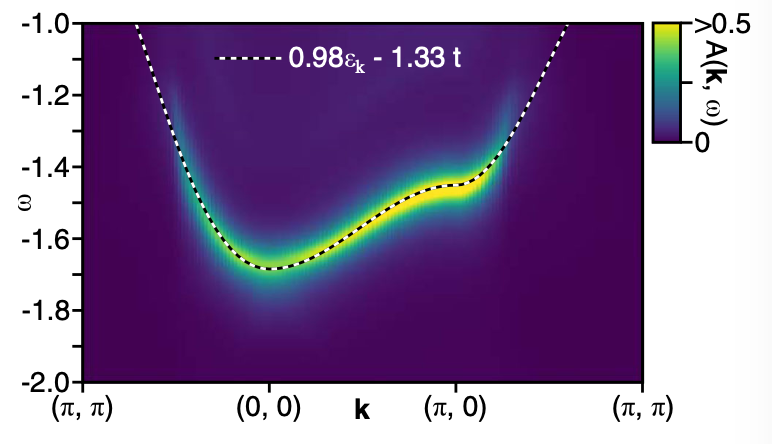
Theoretical Exploration the Material World!
Materials contain a huge number of electrons, typically in the order of Avogadro’s number, which interact with each other via Coulomb forces and spin exchange. These interactions generate collective excitations, which in turn give rise to various properties such as superconductivity and magnetism at low temperatures. We are interested in such phenomena driven by many-body effects and are seeking to innovate fundamental concepts of materials by utilizing analytical and computational methods. We are currently working on high-temperature superconductivity, interplay of superconductivity and magnetism, critical phenomena and quantum phase transitions, and novel quantum states such as an electronic nematic state.
In the present PhD course, we emphasize the development of ability to perceive and innovate fundamental concepts of materials through theoretical studies.
- YAMASE Hiroyuki
Nano-system Photonics
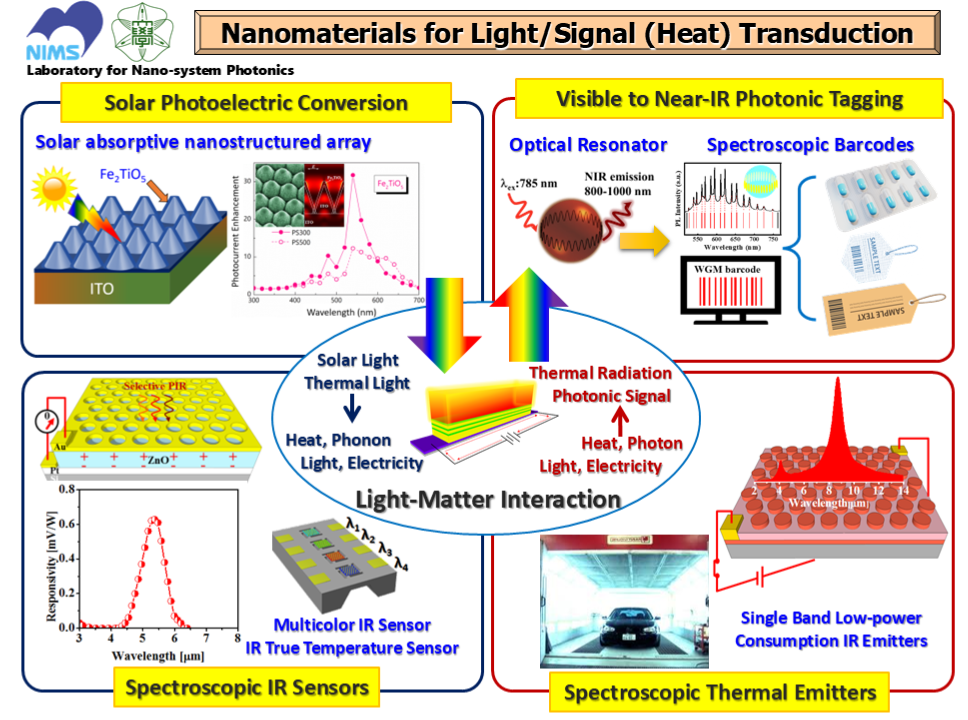
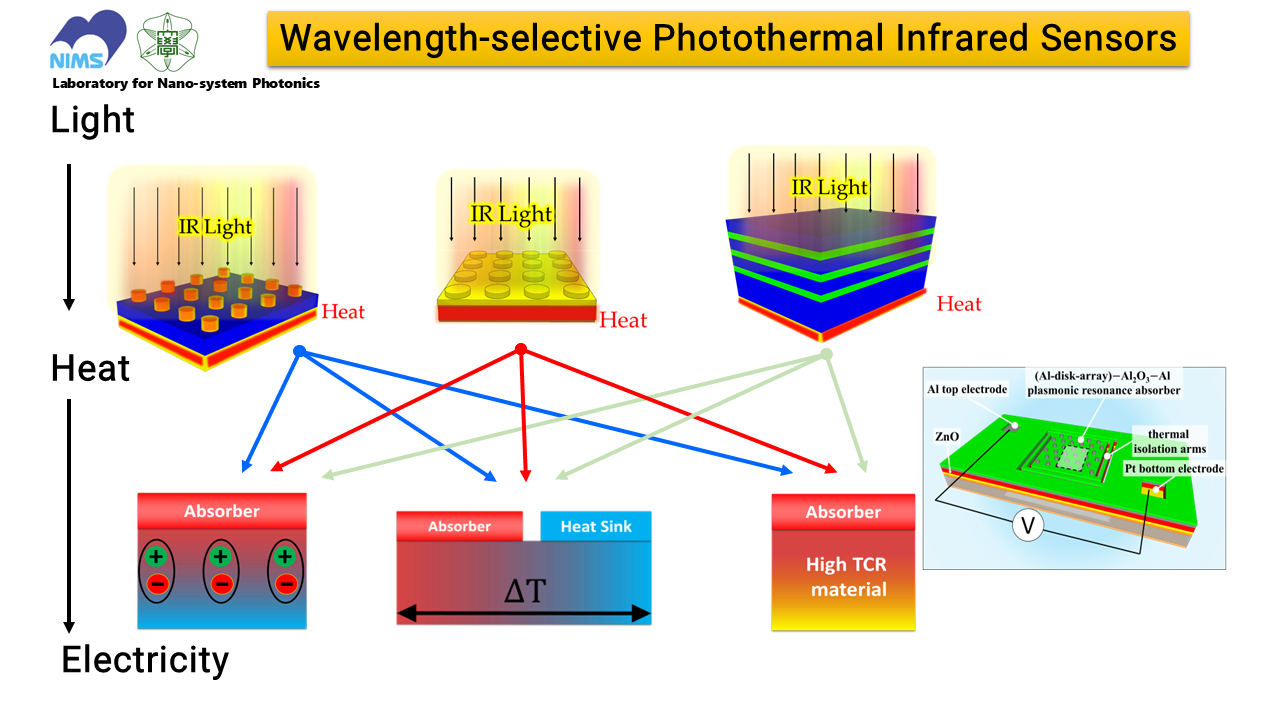
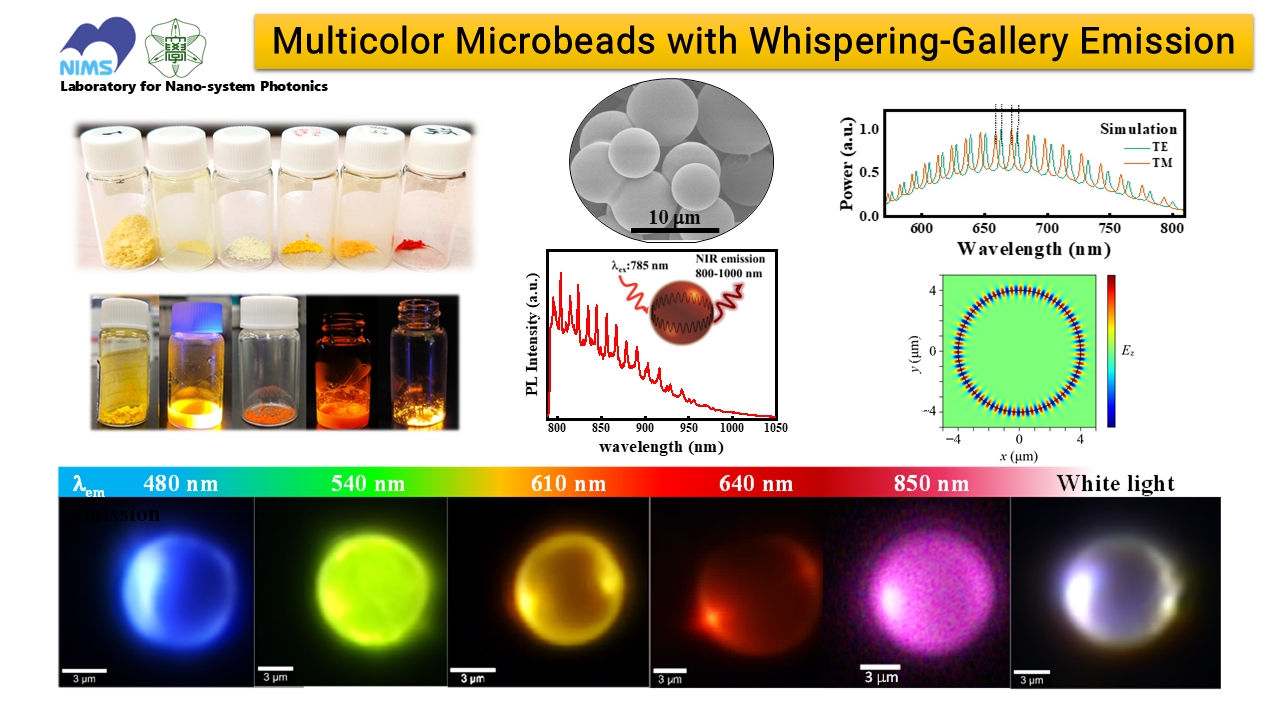
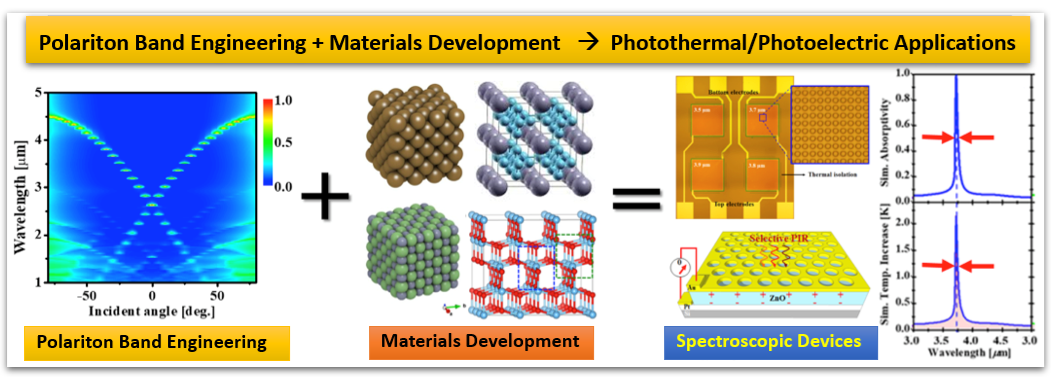
Electromagnetic wave can be confined and changes its nature flexibly in nanometer to atomic-scale in ultrasmall objects by appropriately choosing materials and optimizing their surface geometries. Laboratory for Nano-system Photonics focuses on the study of novel functionalities originating from electronic/vibronic excitations and photonic properties in nanometer-cale structures/interfaces. The Laboratory is designed for the fabrication and characterization of materials and architectures in nanometer-scale aiming at controlling and utilizing the spectral characteristics of the nano-materials in the infrared to the visible region. Our interdisciplinary research lab. is located at National Institute for Materials Science (NIMS) in Tsukuba city, and host internship students from various fields in science and engineering.
- NAGAO Tadaaki
Solid State of Physics in High Magnetic Fields
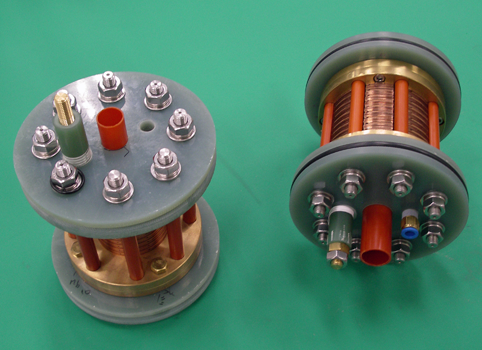

In solid-state physics research, it is extremely important to clarify the fundamental properties, such as electrical, optical, and magnetic properties in solids. Various measurements under extreme conditions such as high magnetic fields and low temperatures are also significant and powerful tools for revealing quantum phenomena in materials.
“High Magnetic Field Physics lab” is developing various “measurement techniques under high magnetic field” to investigate the properties of new functional materials and anomalous phenomena. We have focused on the research of next-generation semiconductors and semimetals with using Magneto-optical spectroscopy and Magneto-transport measurements, in particular.
- IMANAKA Yasutaka
Surface Quantum Phase Materials
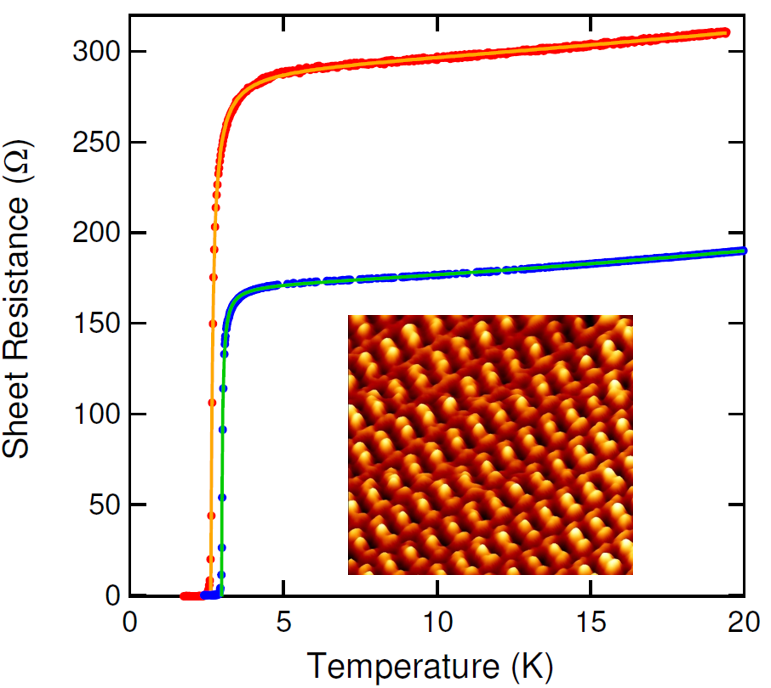
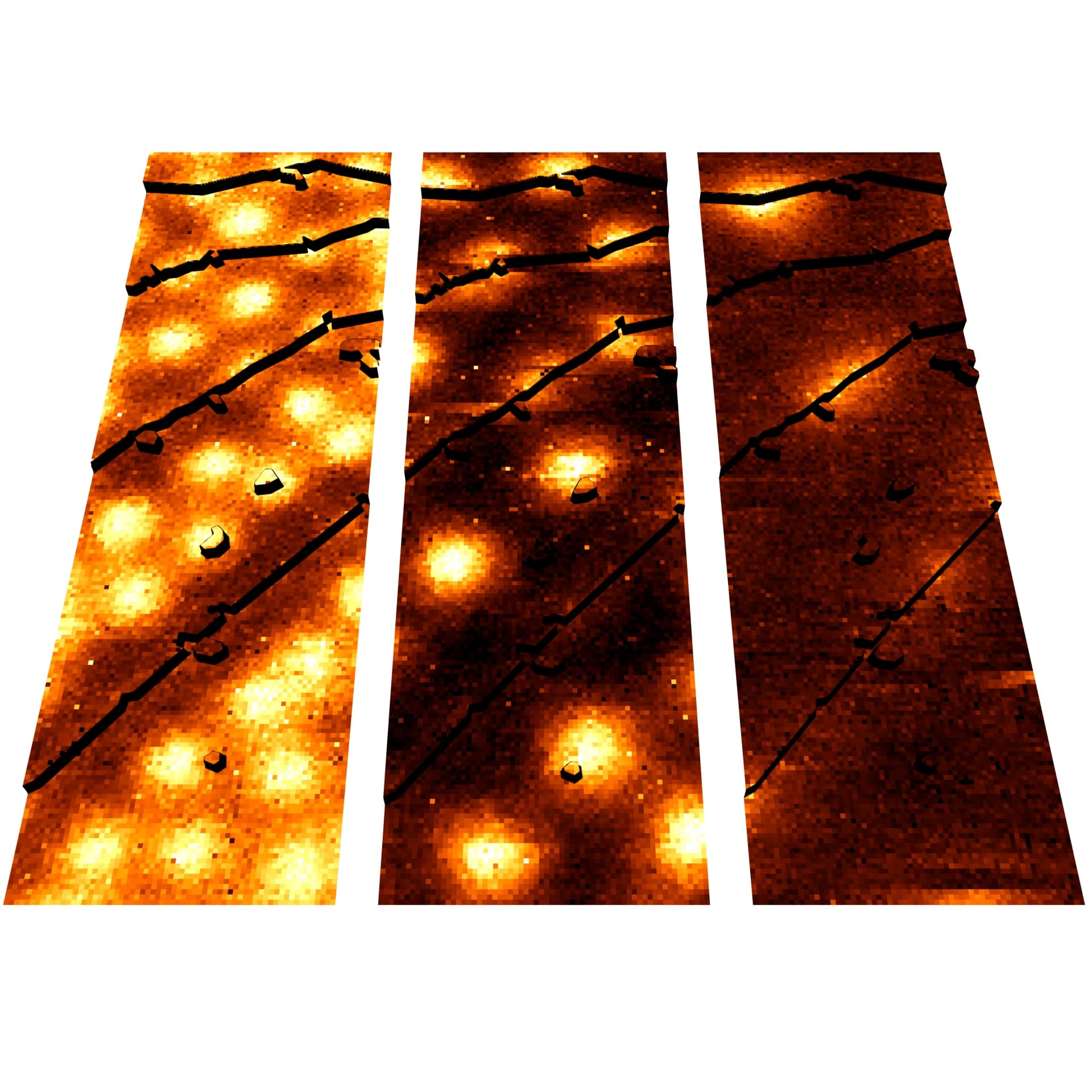
We create two-dimensional quantum systems at surfaces and interfaces based on the nanoarchitechtonics. Our primary target is to elucidate their unexplored properties and functionalities through electron transport measurement under multi-extreme environment. Currently we are studying superconductivity and topological phenomena that manifest themselves in atomic-layer crystals on semiconductor surfaces.
- UCHIHASHI Takashi
Riken (Joint Graduate Program)
Muon Spin Resonance Laboratory
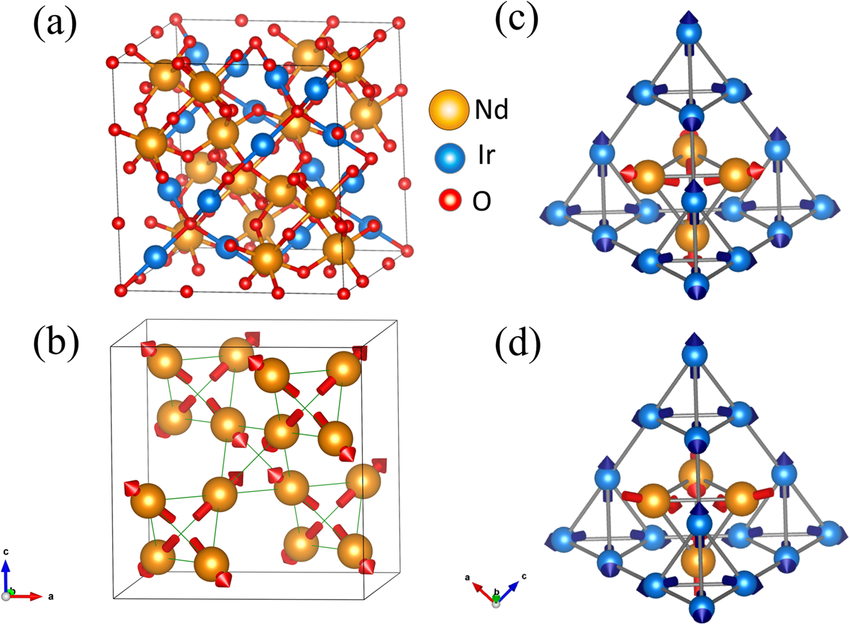
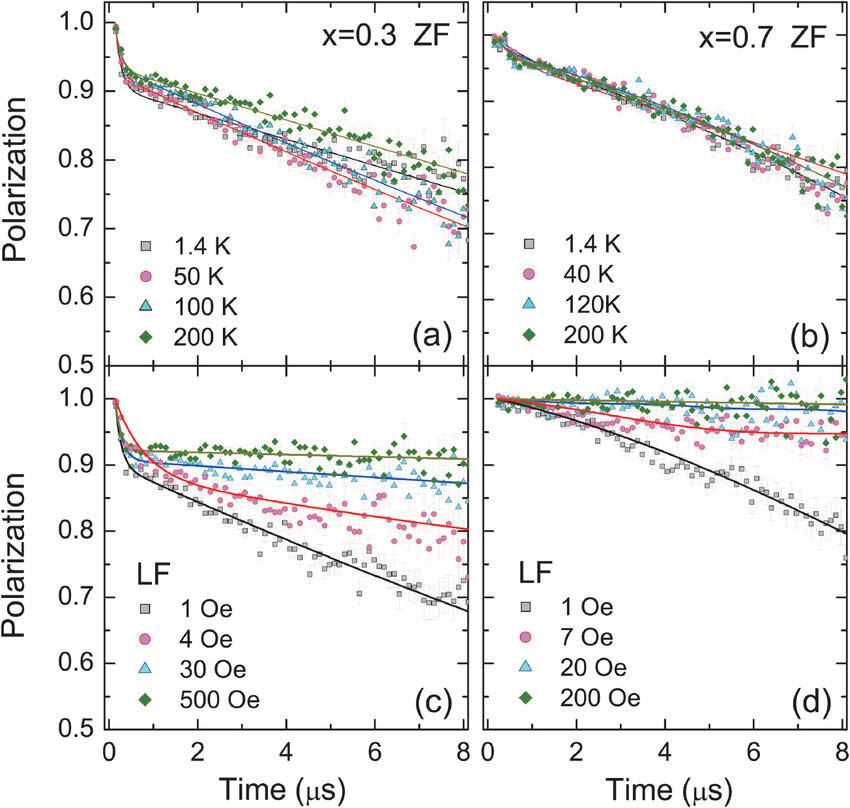
- WATANABE Isao
Electron Spin Resonance Laboratory
Our laboratory is a collaborative graduate program between Hokkaido University and RIKEN, designed for doctoral course students. We focus on the condensed matter physics of molecular materials, utilizing electron spin resonance (ESR) spectroscopy at RIKEN in Wako City, Saitama. RIKEN is Japan’s largest comprehensive research institution for natural science, renowned for high-quality research across a diverse range of scientific disciplines.
Our facilities include a conventional X-band ESR system (10 GHz) equipped with a helium-flow cryostat and a high-frequency ESR system capable of reaching up to 400 GHz. Our state-of-the-art high-frequency system provides superior resolution and enables the investigation of electronic states under high magnetic fields.
One of our most exciting recent discoveries is related to a spin liquid material, where we revealed the emergence of low-dimensional spin dynamics. This finding provides new insights into the exotic properties of quantum spin liquids, contributing significantly to our understanding of strongly correlated materials [1]. Additionally, we are pioneering research on molecular memristive oscillators. Our work has demonstrated that a Mott-insulator-based molecular memristor can act as a highly tunable oscillator [2]. This breakthrough opens up new possibilities for neuromorphic devices and next-generation electronics.
Our broader research interests span molecular conductors, molecular magnets, and nanocarbon materials, with a focus on strongly correlated systems and their novel quantum phenomena.
We are always looking for passionate and motivated students to join our research team. If you are eager to explore the fascinating world of condensed matter physics and contribute to cutting-edge discoveries, we encourage you to reach out and join us on this exciting journey.
- OSHIMA Yugo
